Sunday, June 11, 2017


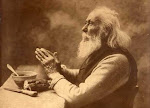
Tears Over America
by Walter A. Maier (1893-1950)
Edited & Prefaced by R.P. Woitowitz Sr.

Preface:
Brethren, is it not the time for our nation to return to God? We have become so filled with hate, vilifying everyone and anyone that disagrees with our points of view. Can we not come together at one point, that is that our Creator, loves us all, sent his spirit into that of a man; Christ Jesus and redeemed us all from sin? Be well-forewarned friends, God is not a man that he should be mocked, and likewise, take these words from the prophet Amos 4:12 - “Prepare to meet thy God” and likewise from Psalm 46:10 - Be still and know that I am God”

Therefore let us go out and proclaim His name, and bring about a revival in our nation.
R.P. Woitowitz Sr.

If Jesus were with us today, He would undoubtedly weep over America's spiritual life. We have congregations that count their real estate and resources in millions, some of them in tens of millions! Yet that alone means nothing to Christ. The United States likewise is crowded with churches which forget the divine command, "Thou shall love the Lord, thy God, with all thy heart and with all thy soul and with all thy strength and with all thy mind" and which, instead of this inner, heart-centered, soul-deep worship of God, permit head and lip worship to creep in, formalism and ceremonies to receive far too much attention. The plain preaching of the Gospel, without which no man can be redeemed, is pushed into the background. Ask the average American: "How do you expect to be saved? What is your hope of heaven?" and you will find first that many of our countrymen do not want to be saved, since they think they do not need to be; and you will also learn that of those who believe in the hereafter, the majority actually like to think themselves so good, so much better than others, that God will welcome them with open arms when they ought to understand that without the Lord Jesus they are lost forever; that their hearts are filled with greed, lust, hatred, their lives marked with secret and disguised sin. Because millions in this nation, founded by Christian pioneers, blessed above all other people on earth through religious freedom, have forgotten their God, neglected their privileges, spurned their blessings, rejected their Savior, we can find Him on Olivet, grief-gripped not only for Jerusalem's Temple, but for churches in the United States that are more concerned about money raising than soul-winning, more intent on gaining popular applause than divine approval. As we hear Christ repeat His warning, "This people draweth nigh unto Me with their mouth and honoreth Me with their lips; but their heart is far from Me" may God give us the spiritual insight required to understand that, if America is to come closer to the Almighty, this rededication must start in the churches; that the groups called Christian must receive a transfusion of firm, unquestioning, self-denying trust. To stop the tears of Christ, we must go back to the Bible, back to the blessed Savior, back to the blood of His atonement, back to justification by faith, and faith alone.

From Olivet, the Savior could likewise see the palace of Caiaphas, the high priest He wore the sacred robes and the breastplate inscribed, "Holiness to the Lord." He occupied the highest position in Old Testament worship. He alone could enter the Holy of Holies on the solemn Day of Atonement. Yet that high priest, who should have been closest to God, was an unbeliever, a murderer at heart, a sworn enemy of Jesus, and long ago he had begun to plot the crucifixion. He was surrounded by many Sadducees, who openly attacked Scripture, denied the hope of the resurrection, claimed that life was ruled by chance, that death ended everything. These men, politicians, perjurers, bold unbelievers in priestly apparel, were responsible for their country's downfall. It was true, then, as now, that:

When nations are to perish in their sins, 'Tis in the Church the leprosy begins.”

Would not the same Savior who broke into sobs over the treachery of these priestly traitors raise His voice in lament if He were with us today to behold the unbelief in the ranks of the American clergy? The war has not yet brought a real revival of true Christian faith in America. Modernists, deniers of the free and final atonement by the Lord Jesus, are still in control of many congregations and of some denominations, Twentieth-century Sadducees sit securely in high places, Pulpit politicians, who heedlessly step over the line separating Church and State, are on the increase. For political reasons, ministers of the Gospel, in direct contradiction to Christ's Spirit, have decried the sending of food to Europe's starving children. The number of those who teach and preach that Jesus, God's Son and Mary's, our Lord and Savior, our Ransom and Redeemer, our Atonement and Reconciliation to the Father, is the only but heaven-blessed Hope for every sinner, does not increase with rapid strides. Yet, because an unbelieving, Christ-debasing, Bible-ridiculing clergy can bring disaster on the nation, the appeal in this crisis to every servant of God must be: "Preach the Word!" "Call, [the] sinners to repentance! Proclaim the Gospel with all its comforting and sustaining love! Believing American homes must help in safeguarding the Savior's truth. A national magazine presents a survey, taken among "a faithfully balanced cross-section of high school students," which reveals that almost half of the young people do not attend church regularly. Is there any connection between this startling fact and the FBI report which showed an increase last year of more than 55 per cent in the arrests of girls under twenty-one? Ask yourself pointedly, 'Would Jesus weep over conditions in my home?" If you know that He would implore Him to enter your household now and bring your entire family to His unfailing grace!

"Be not deceived; God is not mocked," is the warning America should read in Jerusalem's ruins. If up to this time you have insolently risen up against your Redeemer, turned your back on His arms nailed to the cross but stretched wide in invitation to welcome you, then, with all the life-and-death earnestness of this warning, I tell you that on Olivet Jesus was weeping for you, shedding divine tears because, if you continue to reject His ransom for your sin, you must pay in eternity for every unforgiven wrong, every unremoved transgression! Look at the Christ of sorrows once more! He weeps for you, knowing the peace, pardons, hope, and happiness you have lost without Him; the heavenly home, the seeing Him face to face in the blessed eternity you have spurned, the pain and horror of hell which you, sin-blinded, have chosen. Is your heart stone, that you are not moved by your sorrowing Savior, the Lord of heaven and earth, the God of all might, mourning over your preciously bought but carelessly lost soul? It was too late for masses in Jerusalem to repent and return to God. But, thanks to the Savior's marvelous mercy, it is not too late for you to throw off your stubborn resistance to Jesus and fall on your knees in contrite sorrow over your sins. You unbelieving husbands, unfaithful wives, ungrateful children, you blasphemers and scoffers; you, the self-satisfied and self-righteous; you who are sending your souls to hell by living in sin, helping destroy the morals and the faith of others there is still time for you to kneel before the compassionate Christ and say: 'What a fool I have been to reject my soul's salvation! Now I have found you, at last, my all-forgiving Redeemer. You do not need to weep anymore for me! O Jesus, dry your tears! Wash me! Cleanse me! Purify me through faith!" When you come to the Lord of limitless love with that faith, His face, once stained with tears, will be wreathed in heavenly happiness. The lips which once pronounced the woe over Jerusalem will tell you, "Him that cometh to Me I will in no wise cast out”.

There is time for every one of you, but not so much time that you dare continue to postpone and delay accepting grace. "Now is the day of salvation.' You may not be with us next Sunday to hear another appeal for return to your heavenly Father. A week ago, while speaking to the men in tie United States Naval Air Station at Lambert Field, Saint Louis, I warned the cadets against the "speed and suddenness with which adversity may overtake us in these darkened days of war," and
I asked them, in these very words, "Who knows what message of sorrow may come into our homes before this day draws to its close?" A few hours later two of those young fliers met sudden death in the first air collision at the training station. So quickly and unexpectedly, by God's inscrutable will, was the truth of that warning proved! Some of you may never have another opportunity to hear that Christ loved you despite your sins, died on the cross as your Substitute. Now, while heaven is still open for you, while Jesus pleads with you, while the Spirit urges you, wherever you are, accept Him! Say, "He is mine, and I am His for time and eternity!" The nation needs men and women with that trust. The first line of America's defense is faith in the Savior. The strongest weapon against enemies from within and without is the power of God through Christ To have the promise of that strength, millions in America must repent. They must return to God. They must acclaim their crucified Lord of love!


Saturday, June 10, 2017


The Second Epistle of Paul the Apostle to the Church at Thessalonica


1 Paul and Silvanus, and Timothy, unto the Church of the Thessalonians, which is in God our Father, and in the Lord Jesus Christ: 2 Grace be with you, and peace from God our Father, and from the Lord Jesus Christ. 3 We ought to thank God always for you, brethren, as it is meet, because that your faith groweth exceedingly, and the love of every one of you toward another, aboundeth, 4 So that we ourselves rejoice of you in the Churches of God, because of your patience and faith in all your persecutions and tribulations that ye suffer. 5 Which is a manifest token of the righteous judgment of God, that ye may be counted worthy of the kingdom of God, for the which ye also suffer. 6 For it is a righteous thing with God, to recompense tribulation to them that trouble you, 7 And to you which are troubled, rest with us, when the Lord Jesus shall show himself from heaven with his mighty Angels, 8 In flaming fire, rendering vengeance unto them, that do not know God, and which obey not unto the Gospel of our Lord Jesus Christ, 9 Which shall be punished with everlasting perdition from the presence of the Lord, and from the glory of his power, 10 When he shall come to be glorified in his Saints, and to be made marvelous in all them that believe (because our testimony toward you was believed) in that day. 11 Wherefore, we also pray always for you, that our God may make you worthy of this calling, and fulfill all the good pleasure of his goodness, and the work of faith with power. 12 That the Name of our Lord Jesus Christ may be glorified in you, and ye in him, according to the grace of our God, and of the Lord Jesus Christ.


Editor’s thought - We read in verses three trough five how the apostle, is continuously in praise and the thanking of God for the growth of the Thessalonian church. As such, he rejoices over that growth because, they, through patience, via faith, have become made known, for they walk in the righteous and Holy path that has been set before them. No matter that divers trials and tribulations that they have experienced have been put before them as an obstacle or as a stumbling block.

R.P. Woitowitz Sr.


Having mentioned their persecutions and tribulations, which they endured principally for the cause of Christ, the apostle proceeds to offer several things for their comfort under them.


He tells them of the present happiness and advantage of their sufferings, (See 2 Thessalonians 1:5) Their faith being thus tried, and patience exercised, they were improved by their sufferings, insomuch that they were counted worthy of the kingdom of God. Their sufferings were a manifest token of this, that they were worthy or meet to be accounted Christians indeed, seeing they could suffer for Christianity. And the truth is, Religion if it is worth anything, is worth every thing; and those either have no religion at all or none that is worth having or know not how to value it, that cannot find in their hearts to suffer for it. Besides, from their patient suffering, it appeared that, according to the righteous judgment of God, they should be counted worthy of the heavenly glory: not by the worthiness of condignity, but of congruity only; not that they could merit heaven, but they were made meet for heaven. We cannot by all our sufferings, any more than by our services, merit heaven as a debt; but by our patience under our sufferings we are qualified for the joy that is promised to patient sufferers in the cause of God.”

Matthew Henry - Theologian


Related Scripture

2 Thessalonians 1:3 - Read 1 Thessalonians 1:2

2 Thessalonians 1:5 - Read Jude 6

2 Thessalonians 1:7 - Read 1 Thessalonians 4:16


Friday, June 9, 2017


The First Epistle of the Apostle Paul to the Church at Thessalonica

1 But of the times and seasons, brethren, ye have no need that I write unto you. 2 For ye yourselves know perfectly, that the day of the Lord shall come, even as a thief in the night. 3 For when they shall say, Peace and safety, then shall come upon them sudden destruction, as the travail upon a woman with child, and they shall not escape. 4 But ye, brethren, are not in darkness, that that day shall come on you, as it were a thief. 5 Ye are all the children of light, and the children of the day: we are not of the night, neither of darkness. 6 Therefore let us not sleep as do others but let us watch and be sober. 7 For them, that sleep, sleep in the night, and they that be drunken, are drunken in the night. 8 But let us which are of the day, be sober, putting on the breastplate of faith and love, and the hope of salvation for a helmet. 9 For God hath not appointed us unto wrath, but to obtain salvation by the means of our Lord Jesus Christ. 10 Which died for us, that whether we wake or sleep, we should live together with him. 11 Wherefore exhort one another, and edify one another, even as ye do. 12 Now we beseech you brethren, that ye acknowledge them which labor among you, and are over you in the Lord, and admonish you. 13 That ye have them in singular love for their work’s sake. Be at peace among yourselves. 14 We desire you, brethren, admonish them that are out of order: comfort the feebleminded: bear with the weak: be patient toward all men. 15 See that none recompense evil for evil unto any man: but ever follow that which is good, both toward yourselves and toward all men. 16 Rejoice evermore. 17 Pray continually. 18 In all things, give thanks, for this is the will of God in Christ Jesus toward you. 19 Quench not the Spirit. 20 Despise not prophesying. 21 Try all things, and keep that which is good. 22 Abstain from all appearance of evil. 23 Now the very God of peace sanctify you throughout: and I pray God that your whole spirit and soul and body, may be kept blameless unto the coming of our Lord Jesus Christ. 24 Faithful is he which calleth you, which will also do it. 25 Brethren, pray for us. 26 Greet all the brethren with a holy kiss. 27 I charge you in the Lord, that this Epistle be read unto all the brethren the Saints. 28 The grace of our Lord Jesus Christ be with you, Amen.

Editor’s thoughts - In verses 11-20 we can find a guide for spiritual living. To act in all holiness for God has called us to be holy and to be a reflection of His righteousness. In verses 21-22, we find instructions to test, that is to say, to see 1f something is of God or not of God.
R.P. Woitowitz Sr. - Humble disciple in the service of Christ Jesus.

The apostle, having spoken at the end of the foregoing chapter concerning the resurrection, and the second coming of Christ, proceeds to speak concerning the uselessness of enquiring after the particular time of Christ’s coming, which would be sudden and terrible to the wicked, but comfortable to the saints (See verses1-5). He then exhorts them to the duties of watchfulness, sobriety, and the exercise of faith, love, and hope, as being suitable to their state (See verses 6-10). In the next words, he exhorts them to several duties they owed to others, or to one another (See verses 11-15), afterward to several other Christian duties of great importance (See verses 16-22), and then concludes this epistle (See verses 23-28).” - Matthew Henry - Theologian

Related Scripture:
1 Thessalonians 5:8: Isaiah 59:17; Ephesians 6:17
1 Thessalonians 5:15: Proverbs 17:13; Proverbs 20:22; Matthew 5:39; Romans 12:17; 1 Peter 3:9
1 Thessalonians 5:17: Luke 18:1
1 Thessalonians 5:24: 1 Corinthians 1:9


Sunday, May 28, 2017


The Authority Given Unto Christ
by R.P. Woitowitz Sr.

18 And Jesus came, and spake unto them, saying, All power is given unto me, in heaven, and in earth.
The Gospel According to Matthew 28:18
2 As thou hast given him power over all flesh, that he should give eternal life to all them that thou hast given him.
The Gospel According to John 17:2

Brethren:

It must be prefaced that this sermon has been a long time coming within the mind of this author. It was long mull over and rewritten, several times, until you have it as it is now to read.

In the Gospels of Matthew, Mark and Luke, we find the scribes and pharisees inquiring by “whose authority” does Christ teach and speak. In fact, the word authority appears in the New Testament, (depending on which translation one uses), some 50 times. Likewise the word power also appears a great deal, as well.

Now friends, let us look at both words.

In Strong’s Concordance, we find that both words have almost the same meaning. That word is exousia (pronounced ex-oo-see'-ah) - delegated influence, authority, jurisdiction, liberty, power, right, strength. Right below it is the word exousiazo (pronounced-oo-see-ad'-zo), whose root is from the above word - to control:--exercise authority upon, bring under the or have [the] power of. So as far as the Greek translation goes both words are interchangeable.

Moving forward we find in Webster’s Dictionary Ed. 1913 both words defined as such:

Authority - Legal or rightful power; a right to command or to act; power exercised by a person in virtue of his office or trust; dominion; jurisdiction; authorization
Power - The exercise of a faculty; the employment of strength; the exercise of any kind of control; influence; dominion; sway; command; government.

Note again above, that both words seem to, at the very least compliment each other.

So, where does Christ’s authority, and power emulate? Let us look again, above to the quoted scriptures. In the former one, that being Matthew’s Gospel we read that all power is given unto to Him from heaven. This is to say from God the Father. In the latter of John’s Gospel, we likewise read that He has received power over all flesh to give eternal life, again from God the Father.

It always boggles the mind of this author as to how those scribes and Pharisees just could not make the connection. It is true, many of them thought Him to be a madman at best or a blasphemer of the worst sort, for He was comparing Himself to the Almighty God of Israel. Still, in the Gospels, it is written that He spoke as one with much authority. His words were not only words of life, but words of power.

In the Interlinear Greek Translation we read the following:

and toward coming (approaching), The Jesus talks to them saying ‘was given to me every (all) authority in heaven and on land’”

Powerful words indeed. All authority, all power, given unto to Him. Not a little, not some, but all authority were given unto Him by the Father, our Creator.

Friends, if there is any doubt as to why Jesus is our Lord and our Master, look to the Gospels for yourselves and read, study, as to where His powerful word emanates.

Below are two links wherein one might find the times these words were used


Sunday, April 23, 2017


The Righteousness of Faith
by John Wesley
Prefaced & Edited by Dr. Riktor Von Zhades

But what saith it The word is nigh thee, even in thy mouth, and in thy heart: That is, the word of faith, which we preach."
The Epistle of Paul the Apostle to the Romans [1]

Preface:
Brethren:
It was once believed by this editor, that I could not be a Christian, because God only wanted “good people”2, and as such a sinner (and the worst of ones) as myself was unworthy to be called a child of the most high God. It was only, when it was revealed unto me by a friend, that it was in fact the very people He wanted, were those that were dead in their sins, and would earn only eternal separation from Him, that He came to save. For His desire was for none to perish, but that all should be saved. [Read Ezekiel 33:11; 2 Peter 3:9]

Therefore, brethren, friends, readers, take solace and know this, that you are saved by grace. You cannot work your way into heaven. There is no road as such, for if there were, there would be no need of the new covenant. The living of the good way, would be enough. Additionally, there is no such thing as my good outweighs my bad, as all mankind is guilty of sin. If the law says it is so, then the law convicts us all. Recall if you will our Savior Christ Jesus said, that not one tittle or jot of the law shall pass. [Read Matthew 5:18; Luke 16:17]

Herein below then, is a sermon on the righteousness of faith. Read carefully, and think upon it today.
Dr. RVZ

The Apostle does not here oppose the covenant given by Moses, to the covenant given by Christ. If we ever imagined this, it was for want of observing, that the latter as well as the former part of these words were spoken by Moses himself to the people of Israel, and that concerning the covenant which then was. (Read Deuteronomy 30:11, 12, 14.) But it is the covenant of grace [Read Acts 2:21; Hebrews 9:15], which God, through Christ, hath established with men in all ages, (as well before and under the Jewish dispensation, as since God was manifest in the flesh,) which St. Paul here opposes to the covenant of works, made with Adam while in Paradise, hut commonly supposed to be the only covenant which God had made with man, particularly by those Jews of whom the Apostle writes.

Of these it was that he so affectionately speaks in the begining of this chapter: "My heart's desire and prayer to God for Israel is, that they may be saved. For I bear them record, that they have a zeal for God, but not according to knowledge. For they being ignorant of God's righteousness," (of the justification that flows from his mere grace and mercy, freely forgiving our sins through the Son of his love, through the redemption which is in Jesus,) "and seeking to establish their own righteousness," (their own holiness, antecedent to faith in "him that justifieth the ungodly," as the ground of their pardon and acceptance,) "have not submitted themselves unto the righteousness of God," and consequently seek death in the error of their life.

They were ignorant that "Christ is the end of the law for righteousness to every one that believeth;" -- that, by the oblation of himself once offered, he had put an end to the first law or covenant, (which, indeed, was not given by God to Moses, but to Adam in his state of innocence,) the strict tenor whereof, without any abatement, was, "Do this, and live;" and, at the same time, purchased for us that better covenant," Believe, and live;" believe, and thou shalt be saved[Read Romans 10:13]; now saved, both from the guilt and power of sin, and, of consequence, from the wages of it.

And how many are equally ignorant now, even among those who are called by the name of Christ! How many who have now a "zeal for God," yet have it not "according to knowledge;" but are still seeking "to establish their own righteousness," as the ground of their pardon and acceptance; and therefore, vehemently refuse to "submit themselves unto the righteousness of God!" Surely my heart's desire, and prayer to God for you, brethren, is, that ye may be saved. And, in order to remove this grand stumbling-block out of your way, I will endeavor to show, what the righteousness is, which is of the law; and what "the righteousness which is of faith.

The righteousness which is of the law saith, The man which doeth these things shall live by them. [Read Leviticus 18:5] Constantly and perfectly observe all these things to do them, and then thou shalt live for ever. This law, or covenant, (usually called the Covenant of Works,) given by God to man in Paradise, required an obedience perfect in all its parts, entire and wanting nothing, as the condition of his eternal continuance in the holiness and happiness wherein he was created. It required that man should fulfill all righteousness, inward and outward, negative and positive: That he should not only abstain from every idle word, and avoid every evil work, but should keep every affection, every desire, every thought, in obedience to the will of God: That he should continue holy, as he which had created him was holy, both in heart, and in all manner of conversation: That he should be pure in heart, even as God is pure; perfect as his Father in heaven was perfect: That he should love the Lord his God with all his heart, with all his soul, with all his mind, and with all his strength; that he should love every soul which God had made, even as God had loved him: That by this universal benevolence, he should dwell in God, (who is love,) and God in him: That he should serve the Lord his God with all his strength, and in all things singly aim at his glory.

These were the things which the righteousness of the law required, that he who did them might live thereby. But it farther required, that this entire obedience to God, this inward and outward holiness, this conformity both of heart and life to his will, should be perfect in degree. No abatement, no allowance could possibly be made, for falling short in any degree, as to any jot or tittle, either of the outward or the inward law. If every commandment, relating to outward things, was obeyed, yet that was not sufficient unless every one was obeyed with all the strength, in the highest measure, and most perfect manner. Nor did it answer the demand of this covenant, to love God with every power and faculty, unless he were loved with the full capacity of each, with the whole possibility of the soul. One thing more was indispensably required by the righteousness of the law, namely, that this universal obedience, this perfect holiness both of heart and life, should be perfectly uninterrupted also, should continue without any intermission, from the moment wherein God created man, and breathed into his nostrils the breath of life, until the days of his trial should be ended, and he should be confirmed in life everlasting. The righteousness, then, which is of the law, speaketh on this wise: "Thou, O man of God, stand fast in love, in the image of God wherein thou art made. If thou wilt remain in life, keep the commandments, which are now written in thy heart. Love the Lord thy God with all thy heart. Love, as thyself, every soul that he hath made. Desire nothing but God. Aim at God in every thought, in every word and work. Swerve not, in one motion of body or soul, from him, thy mark, and the prize of thy high calling; and let all that is in thee praise his holy name, every power and faculty of thy soul, in every kind, in every degree, and at every moment of thine existence. `This do, and thou shalt live:' Thy light shall shine, thy love shall flame more and more, till thou art received up into the house of God in the heavens, to reign with him for ever and ever.

[However], the righteousness which is of faith speaketh on this wise: Say not in thine heart, Who shall ascend into heaven that is, to bring down Christ from above;" (as though it were some impossible task which God required thee previously to perform in order to thine acceptance;) "or, Who shall descend into the deep that is, to bring up Christ from the dead;" (as though that were still remaining to be done, for the sake of which thou wert to be accepted;) "but what saith it The word," according to the tenor of which thou mayest now be accepted as an heir of life eternal, "is nigh thee, even in thy mouth, and in thy heart; that is, the word of faith which we preach," -- the new covenant which God hath now established with sinful man, through Christ Jesus. By "the righteousness which is of faith" is meant, that condition of justification, (and, in consequence, of present and final salvation, if we endure therein unto the end,) which was given by God to fallen man, through the merits and mediation of his only-begotten Son. This was in part revealed to Adam, soon after his fall; being contained in the original promise, made to him and his seed, concerning the Seed of the Woman, who should "bruise the serpent's head." (Read Genesis 3:15.) It was a little more clearly revealed to Abraham, by the angel of God from heaven, saying, "By myself have I sworn, saith the Lord, that in thy seed shall all the nations of the world be blessed." (Read Genesis 12:15, 18.) It was yet more fully made known to Moses, to David, and to the Prophets that followed; and, through them, to many of the people of God in their respective generations. But still the bulk even of these were ignorant of it; and very few understood it clearly. Still "life and immortality" were not so "brought to light" to the Jews of old, as they are now unto us "by the gospel."

Now, this covenant saith not to sinful man, "Perform unsinning obedience, and live." If this were the term, he would have no more benefit by all which Christ hath done and suffered for him, than if he was required, in order to life, to "ascend into heaven, and bring down Christ from above;" or to "descend into the deep," into the invisible world, and "bring up Christ from the dead." It doth not require any impossibility to be done: (Although to mere man, what it requires would be impossible; but not to man assisted by the Spirit of God:) This were only to mock human weakness. Indeed, strictly speaking, the covenant of grace doth not require us to do anything at all, as absolutely and indispensably necessary in order to our justification; but only, to believe in Him who, for the sake of his Son, and the propitiation which he hath made, "justifieth the ungodly that worketh not," and imputes his faith to him for righteousness. Even so Abraham "believed in the Lord, and he counted it to him for righteousness." (Read Genesis 15:6.) "And he received the sign of circumcision, a seal of the righteousness of faith, -- that he might be the father of all them that believe, -- that righteousness might be imputed unto them also." (Read Romans 4:11.) "Now it was not written for his sake alone, that it," i.e., faith, "was imputed to him; but for us also, to whom it shall be imputed," to whom faith shall be imputed for righteousness, shall stand in the stead of perfect obedience, in order to our acceptance with God, "if we believe on him who raised up Jesus our Lord from the dead; who was delivered" to death "for our offences, and was raised again for our justification:" (Read Romans 4:23-25:) For the assurance of the remission of our sins, and of a second life to come, to them that believe.

What saith then the covenant of forgiveness, of unmerited love, of pardoning mercy "Believe in the Lord Jesus Christ, and thou shalt be saved." In the day thou believest, thou shalt surely live. Thou shalt be restored to the favour of God; and in his pleasure is life. Thou shalt be saved from the curse, and from the wrath of God. Thou shalt be quickened, from the death of sin into the life of righteousness. And if thou endure to the end, believing in Jesus, thou shalt never taste the second death; but, having suffered with thy Lord, shalt also live and reign with him for ever and ever

1 There is no occasion to seek high or low for the saving power; the word of reconciliation is nigh. The way of salvation is now both plain and easy. The law is magnified and made honorable by the death of Christ; and the doctrine of faith in his death and resurrection is fully proclaimed, and amply proved to be effectual to the purpose for which it was revealed. By the preaching of the Gospel the doctrine of salvation is nigh thee, and the saving influence is at hand: it is in thy mouth, easy to be understood, easy to be professed: and in thy heart, if thou art upright before God, sincerely desiring to be saved on his own terms, not striving to establish thy own method of justification by the law, which must for ever be ineffectual, but submitting to the method of justification which God has. - Adam Clarke - Theologian
2This is a lie from the father of all lies Satan. Surely he says, that you are not worthy to be saved.

Sunday, April 2, 2017


God Glorified In Man's Dependence
Part 2
by Jonathan Edwards (1703-1758)
Edited by Dr. Riktor Von Zhades
29 That no flesh should rejoice in his presence.30 But ye are of him in Christ Jesus, who of God is
made unto us wisdom and righteousness, and sanctification, and redemption.31 That, according as it is
written, He that rejoiceth, let him rejoice in the Lord.
1 Corinthians 1:29-31

Man's redemption is often spoken of as a work of wonderful power as well as grace. The great power of God appears in bringing a sinner from his low state, from the depths of sin and misery, to such an exalted state of holiness and happiness. "And what is the exceeding greatness of his power to usward who believe, according to the working of his mighty power" (Read Ephesians 1:19). We are dependent on God's power through every step of our redemption. We are dependent on the power of God to convert us, and give faith in Jesus Christ, and the new nature.

It is a work of creation: "If any man be in Christ, he is a new creature" (Read 2 Corinthians 5:17). "We are created in Christ Jesus" (Read Ephesians 2:10). The fallen creature cannot attain to true holiness, but by being created again. "And that ye put on the new man, which after God is created in righteousness and true holiness." (Read Ephesians 4:24). It is a raising from the dead. "Wherein ye also are risen with him, through the faith of the operation of God, who hath raised him from the dead" (Read Colossians 2:12-13). Yea, it is a more glorious work of power than mere creation, or raising a dead body to life, in that the effect attained is greater and more excellent. That holy and happy being, and spiritual life which is reached in the work of conversion, is a far greater and more glorious effect, than mere being and life. And the state from whence the change is made, of such a death in sin, and total corruption of nature, and depth of misery, is far more remote from the state attained, than mere death or nonentity. It is by God's power also that we are preserved in a state of grace. "Who are kept by the power of God through faith unto salvation." (Read 1 Peter 1: 5). As grace is at first from God, so it is continually from him, and is maintained by him, as much as light in the atmosphere is all day long from the sun, as well as at first dawning, or at sunrising.

Men are dependent on the power of God, for every exercise of grace, and for carrying on the work of grace in the heart, for the subduing of sin and corruption, and increasing holy principles, and enabling to bring forth fruit in good works, and at last bringing grace to its perfection, in making the soul completely amiable in Christ's glorious likeness, and filling of it with a satisfying joy and blessedness; and for the raising of the body to life, and to such a perfect state, that it shall be suitable for a habitation and organ for a soul so perfected and blessed. These are the most glorious effects of the power of God, that are seen in the series of God's acts with respect to the creatures.

Man was dependent on the power of God in his first estate, but he is more dependent on his power now; he needs God's power to do more things for him, and depends on the more wonderful exercise of his power. It was an effect of the power of God to make man holy at the first; but more remarkably so now, because there is a great deal of opposition and difficulty in the way. It is a more glorious effect of power to make that holy that was so depraved, and under the dominion [Read Romans 6:19-21, 7:13-20] of sin, that to confer holiness on that which before had nothing of the contrary. It is a more glorious work of power to rescue a soul out of the hands of the devil, and from the powers of darkness, and to bring it into a state of salvation, than to confer holiness where there was no prepossession or opposition. "When a strong man armed keepeth his palace, his goods are in peace; but when a stronger than he shall come upon him, and overcome him, he taketh from him all his armor wherein he trusted, and divideth his spoils" (Read Luke 11:21-22). So it is a more glorious work of power to uphold a soul in a state of grace and holiness, and to carry it on till it is brought to glory, when there is so much sin remaining in the heart resisting, and Satan with all his might opposing, than it would have been to have kept man from falling at first, when Satan had nothing in man.

They are also dependent on God for all, as they have all through him. It is God that is the medium of it, as well as the author and fountain of it. All that we have, wisdom, and the pardon of sin, deliverance from hell, acceptance in God's favor, grace and holiness, true comfort and happiness, eternal life and glory, we have from God by a Mediator, which Mediator we have an absolute dependence upon as he through whom we receive all. So that here is another way wherein we have our dependence on God for all good. God not only gives us the Mediator, and accepts his mediation, and of his power and grace bestows the things purchased by the Mediator, but he is the Mediator. [Read Galatians 3:20; 1 Timothy 2:5; Hebrews 8:6]

Our blessings are what we have by purchase; and the purchase is made of God, the blessings are purchased of him, and God gives the purchaser; and not only so, but God is the purchaser. Yea, God is both the purchaser and the price; for Christ, who is God, purchased these blessings for us, by offering up himself as the price of our salvation. He purchased eternal life by the sacrifice of himself. "He offered up himself" (Read Hebrews 7:27) and "He hath appeared to take away sin by the sacrifice of himself" (Read Hebrews 9:26). Indeed it was the human nature that was offered; but it was the same person with the divine, and therefore was an infinite price; it was looked upon as if God had been offered in sacrifice.

As we thus have our good through God, we have a dependence on God in a respect that man in his first estate had not. Man was to have eternal life then through his own righteousness; so that he had partly a dependence upon what was in himself; for we have a dependence upon that through which we have our good, as well as that from which we have it; and though man's righteousness that he then depended on was indeed from God, yet it was his own, it was inherent in himself; so that his dependence was not so immediately on God. But now the righteousness that we are dependent on is not in ourselves, but in God. We are saved through the righteousness of Christ: he is made unto us righteousness; and therefore is prophesied of under that name, "the Lord our righteousness" (Read Jeremiah 23:6). In that the righteousness we are justified by is the righteousness of Christ, it is the righteousness of God: "That we might be made the righteousness of God in him" (Read 2 Corinthians 5:21).

Thus in redemption we have not only all things of God, but by and through him: "But to us there is but one God, the Father, of whom are all things, and we in him; and one Lord Jesus Christ, by whom are all things, and we by him." (Read 1 Corinthians 8:6).

Sunday, March 12, 2017


God Glorified In Man's Dependence
Part 1
by Jonathan Edwards (1703-1758)
Edited by Dr. Riktor Von Zhades

29 That no flesh should rejoice in his presence.30 But ye are of him in Christ Jesus, who of God is made unto us wisdom and righteousness, and sanctification, and redemption.31 That, according as it is written, He that rejoiceth, let him rejoice in the Lord.
1 Corinthians 1:29-31

Those Christians to whom the apostle directed this epistle dwelt in a part of the world where human wisdom was in great repute; as the apostle observes in the 22d verse of this chapter, "The Greeks seek after wisdom." Corinth was not far from Athens, that had been for many ages the most famous seat of philosophy and learning in the world.

The apostle therefore observes to them, how that God, by the gospel, destroyed and brought to nought their human wisdom. The learned Grecians, and their great philosophers, by all their wisdom did not know God: they were not able to find out the truth in divine things. But after they had done their utmost to no effect, it pleased God at length to reveal himself by the gospel, which they accounted foolishness. He "chose the foolish things of the world to confound the wise, and the weak things of the world to confound the things which are mighty, and the base things of the world, and things that are despised, yea, and things which are not, to bring to nought the things that are." [Read 1 Corinthians 1:27; 2 Corinthians 2:14] And the apostle informs them why he thus did, in the verse of the text; That no flesh should glory in his presence.

In which words may be observed,

1. What God aims at in the disposition of things in the affair of redemption, viz., that man should not glory in himself, but alone in God; That no flesh should glory in his presence,-that, according as it is written, He that glorieth, let him glory in the Lord.

2. How this end is attained in the work of redemption, viz., by that absolute and immediate dependence which men have upon God in that work for all their good.

First. All the good that they have is in and throught Christ; He is made unto us wisdom, righteousness, sanctification, and redemption. All the good of the fallen and redeemed creature is concerned in these four things, and cannot be better distributed than into them; but Christ is each of them to us, and we have none of them any otherwise than in him.[Read Isaiah 64:6] He is made of God unto us wisdom: in him are all the proper good and true excellency of the understanding. Wisdom was a thing that the Greeks admired; but Christ is the true light of the world, it is through him alone that true wisdom is imparted to the mind. It is in and by Christ that we have righteousness-. it is by being in him that we are justified, have our sins pardoned, and are received as righteous into God's favor. It is by Christ that we have sanctification: we have in him true excellency of heart as well as of understanding; and he is made unto us inherent, as well as imputed righteousness. It is by Christ that we have redemption, or actual deliverance from all misery, and the bestowment of all happiness and glory. Thus we have all our good by Christ, who is God. Another instance wherein our dependence on God for all our good appears, is this, That it is God that has given us Christ, that we might have these benefits through him; he of God is made unto us wisdom, righteousness, &c. It is of him that we are in Christ Jesus, and come to have an interest in him, and so do receive those blessings which he is made unto us. It is God that gives us faith whereby we close with Christ.

There is an absolute and universal dependence of the redeemed on God. The nature and contrivance of our redemption is such, that the the redeemed are in every thing directly immediately, and entirely dependent on God: they are dependent on him for all, and are dependent on him every way.

The several ways wherein the dependence of one being may be upon another for its good, and wherein the redeemed of Jesus Christ depend on God for all their good, are these, viz., that they have all their good of him, and that they have all through him, and that they have all in him: that he is the cause and original whence all their good comes, therein it is of him; and that he is the medium by which it is obtained and conveyed, therein they have it through him; and that he is that good itself that is given and conveyed, therein it is in him.

Now those that are redeemed by Jesus Christ do, in all these repects, very directly and entirely depend on God for their all. The redeemed have all their good of God; God is the great author of it; he is the first cause of it, and not only so, but he is the only proper cause. It is of God that we have our Redeemer: it is God that has provided a Saviour for us. Jesus Christ is not only of God in his person, as he is the only begotten Son of God, but he is from God, as we are concerned in him, and in his office of Mediator; he is the gift of God to us: God chose and anointed him, appointed him his work, and sent him into the world. And as it is God that gives, so it is God that accepts the Saviour. As it is God that provides and gives the Redeemer to buy salvation for us, so it is of God that salvation is bought: he gives the purchaser, and he affords the thing purchased.

It is of God that Christ becomes ours, that we are brought to him, and are united to him: it is of God that we receive faith to close with him, that we may have an interest in him. "For by grace ye are saved, through faith; and that not of yourselves, it is the gift of God" [Read Ephesians 2:8]. It is of God that we actually do receive all the benefits that Christ has purchased. It is God that pardons and justifies, and delivers from going down to hell, and it is his favor that the redeemed are received into, and are made the objects of, when they are justified. So it is God that delivers from the dominion of sin, and cleanses us from our filthiness, and changes us from our deformity. [Read 2 Corinthians 5:17; Galatians 6:15] It is of God that the redeemed do receive all their true excellency, wisdom, and holiness; and that two ways, viz., as the Holy Ghost, by whom these things are immediately wrought, is from God, proceeds from him, and is sent by him; and also as the Holy Ghost himself is God, by whose operation and indwelling [Read John 14:17], the knowledge of divine things, and a holy disposition, and all grace, are conferred and upheld.

And though means are made use of in conferring grace on men's souls, yet it is of God that we have these means of grace, and it is God that makes them effectual. It is of God that we have the holy Scriptures; they are the word of God. It is of God that we have ordinances, and their efficacy depends on the immediate influence of the Spirit of God. The ministers of the gospel are sent of God, and all their sufficiency is of him. "We have this treasure in earthen vessels, that the excellency of the power may be of God, and not of us" [Read 2 Corinthians 4:7]. Their success depends entirely and absolutely on the immediate blessing and influence of God. The redeemed have all.

Of the grace of God. It was of mere grace that God gave us his only begotten Son. The grace is great in proportion to the dignity and excellency of what is given: the gift was infinitely precious, because it was a person infinitely worthy, a person of infinite glory; and also because it was a person infinitely near and dear to God. The grace is great in proportion to the benefit we have given us in him: the benefit is doubly infinite, in that in him we have deliverance from an infinite, because an eternal misery; and do also receive eternal joy and glory. The grace in bestowing this gift is great in proportion to our unworthiness to whom it is given; instead of deserving such a gift, we merited infinitely ill of God's hands. The grace is great according to the manner of giving, or in proportion to the humiliation and expense of the method and means by which way is made for our having the gift. He gave him to us dwelling amongst us; he gave him to us incarnate, or in our nature; he gave him to us in our nature, in the like infirmities, in which we have it in our fallen state, and which in us do accompany, and are occasioned by the sinful corruption of our nature. He gave him to us in a low and afflicted state; and not only so, but he gave him to us slain, that he might be a feast for our souls.

The grace of God in bestowing this gift is most free. It was what God was under no obligation to bestow: he might have rejected fallen man, as he did the fallen angels. It was what we never did any thing to merit; it was given while we were yet enemies, and before we had so much as repented. It was from the love of God that saw no excellency in us to attract it; and it was without expectation of ever being requited for it. And it is from mere grace that the benefits of Christ are applied to such and such particular persons. Those that are called and sanctified are to attribute it alone to the good pleasure of God's goodness, by which they are distinguished. He is sovereign, and hath mercy on whom he will have mercy, and whom he will, he hardens.

Man hath now a greater dependence on the grace of God than he had before the fall. He depends on the free goodness of God for much more than he did then: then he depended on God's goodness for conferring the reward of perfect obedience: for God was not obliged to promise and bestow that reward: but now we are dependent on the grace of God for much more: we stand in need of grace, not only to bestow glory upon us, but to deliver us from hell and eternal wrath. Under the first covenant we depended on God's goodness to give us the reward of righteousness; and so we do now. And not only so, but we stand in need of God's free and sovereign grace to give us that righteousness; and yet not only so, but we stand in need of his grace to pardon our sin, and release us from the guilt and infinite demerit of it.

And as we are dependent on the goodness of God for more now than under the first covenant, so we are dependent on a much greater, more free and wonderful goodness. We are now more dependent on God's arbitrary and sovereign good pleasure. We were in our first estate dependent on God for holiness: we had our original righteousness from him; but then holiness was not bestowed in such a way of sovereign good pleasure as it is now. Man was created holy, and it became God to create holy all the reasonable creatures he created: it would have been a disparagement to the holiness of God's nature, if he had made an intelligent creature unholy. But now when a man is made holy, it is from mere and arbitrary grace; God may forever deny holiness to the fallen creature if he pleases, without any disparagement to any of his perfections.

And we are not only indeed more dependent on the grace of God, but our dependence is much more conspicuous, because our own insufficiency and helplessness in ourselves is much more apparent in our fallen and undone state, than it was before we were either sinful or miserable. We are more apparently dependent on God for holiness, because we are first sinful, and utterly polluted, and afterwards holy: so the production of the effect is sensible, and its derivation from God more obvious. If man was ever holy and always was so, it would not be so apparent, that he had not holiness necessarily, as an inseparable qualification of human nature. So we are more apparently dependent on free grace for the favor of God, for we are first justly the objects of his displeasure and afterwards are received into favor. We are more apparently dependent on God for happiness, being first miserable, and afterwards happy. It is more apparently free and without merit in us, because we are actually without any kind of excellency to merit, if there could be any such thing as merit in creature excellency. And we are not only without any true excellency, but are full of, and wholly defiled with, that which is infinitely odious. All our good is more apparently from God, because we are first naked and wholly without any good, and afterwards enriched with all good.